

Improved Cookstove Projects.
Transforming the nature of cooking to reduce carbon emissions and deforestation, while improving respiratory health.
Why improved cookstoves are needed in Madagascar.
Madagascar is one of the world's poorest countries and one of the few consistently getting poorer. Around 90% of households cook with wood or charcoal on traditional three-stone fires or inefficient metal braziers, and household air pollution from that combustion is a leading cause of respiratory disease across the country.
"Household air pollution is one of the world's leading causes of premature death. It killed an estimated 3.2 million people in 2020, including over 237,000 children under the age of five." World Health Organization
The consequences travel further than the kitchen. Cooking fuel drives deforestation: Madagascar has lost roughly a third of its tree cover since 2000, and firewood collection remains one of the biggest drivers of forest loss. The daily work of collecting that fuel, along with cooking itself, falls overwhelmingly on women and girls, absorbing hours that could otherwise be spent on education, income and rest. And in the poorest households, the money spent on charcoal is a significant share of the family budget.
SaniTap's improved cooking programme addresses all four consequences at once: cleaner air inside the home, less pressure on the forest, hours of the day returned to women and girls, and money kept in household budgets. The programme is verified under Gold Standard for the Global Goals with the gender-responsive certification.
120,042 stoves. Improved cooking. Clean air. Reduced deforestation. Poverty reduced.
This is a mosaic of the SaniTap-supported improved cooking programme in Madagascar. Each tile is a real household using an improved stove, the human scale behind the numbers.
Behind the mosaic are 390,000 people cooking with cleaner fuel, 40,243 tonnes of non-renewable biomass saved every year, and 6,640 disability-adjusted life-years averted through better indoor air.

SaniTap's Improved Cookstove project.
SaniTap's first Improved Cookstove project is generating traceable, high-quality carbon credits by reducing wood and charcoal consumption and associated deforestation.
The project distributes high-efficiency biomass cookstoves designed to reduce fuel consumption and greenhouse gas emissions compared to traditional cooking methods. Developed under the Gold Standard for Global Goals with the optional gender-responsive certification, the project applies rigorous monitoring, conservative emissions accounting, and independent third-party verification.
Through local partnerships and community engagement, the project supports large-scale deployment of improved cookstoves across urban, rural, and peri-urban communities. Monitoring systems track distribution, usage rates, and performance to ensure the integrity of the emissions reductions generated. The resulting Verified Emission Reductions (VERs) are issued through the Gold Standard registry.
In addition to emissions reductions, the project delivers significant co-benefits, reduced exposure to harmful smoke, lower household fuel costs, reduced pressure on local forests, and time savings for households that previously relied on collecting firewood.
Beyond carbon: full impact.
In addition to mitigating harmful CO₂ emissions, SaniTap's improved cooking projects deliver substantial environmental, social, and economic co-benefits. Projects contribute to six UN Sustainable Development Goals: 1 · No Poverty · 2 · Zero Hunger · 3 · Good Health and Wellbeing · 5 · Gender Equality · 13 · Climate Action · 15 · Life on Land.
Cleaner air inside the home.
Household air pollution from cooking on traditional three-stone fires and inefficient stoves is one of the world's leading causes of premature death. The World Health Organization attributes an estimated 3.2 million deaths per year to it, including over 237,000 children under five.
Every improved stove SaniTap distributes cuts a household's daily exposure to fine particulate smoke and carbon monoxide. Gold Standard's Averted DALYs from Cleaner Household Air methodology attributes an estimated 6,640 disability-adjusted life-years averted per year across the current programme scale. In Gold Standard MP1 2025 monitoring, 86% of surveyed users self-reported reduced smoke exposure after adopting an improved stove.
The health toll of biomass cooking, and how we measure the reduction →
Gold Standard verified.
SaniTap's improved cooking project is developed under the Gold Standard methodology for Reduced Emissions from Cooking and Heating (TPDDTEC v4.0).
By replacing open fires and inefficient cookstoves with low-pollution, fuel-efficient cookstoves, the project directly reduces the amount of biomass burned and the associated CO₂ emissions, generating measurable and conservatively calculated emissions reductions. The resulting Verified Emission Reductions (VERs) are issued under the Gold Standard for Global Goals following independent third-party validation and verification.
SaniTap's credits are developed to the optional higher-level gender-responsive certification, requiring proactive gender analysis and targeted actions to advance gender equality and women's empowerment, beyond the mandatory Gender Safeguarding Principles. Our credits are also aligned with the ICVCM Core Carbon Principles, a global framework that assesses programmes and methodologies against strict criteria including additionality, permanence, robust quantification, and transparency.
Validation and verification of the project have been carried out by two accredited independent Validation & Verification Bodies (VVBs): Earthood and Ampere.


Project partners and stakeholders.
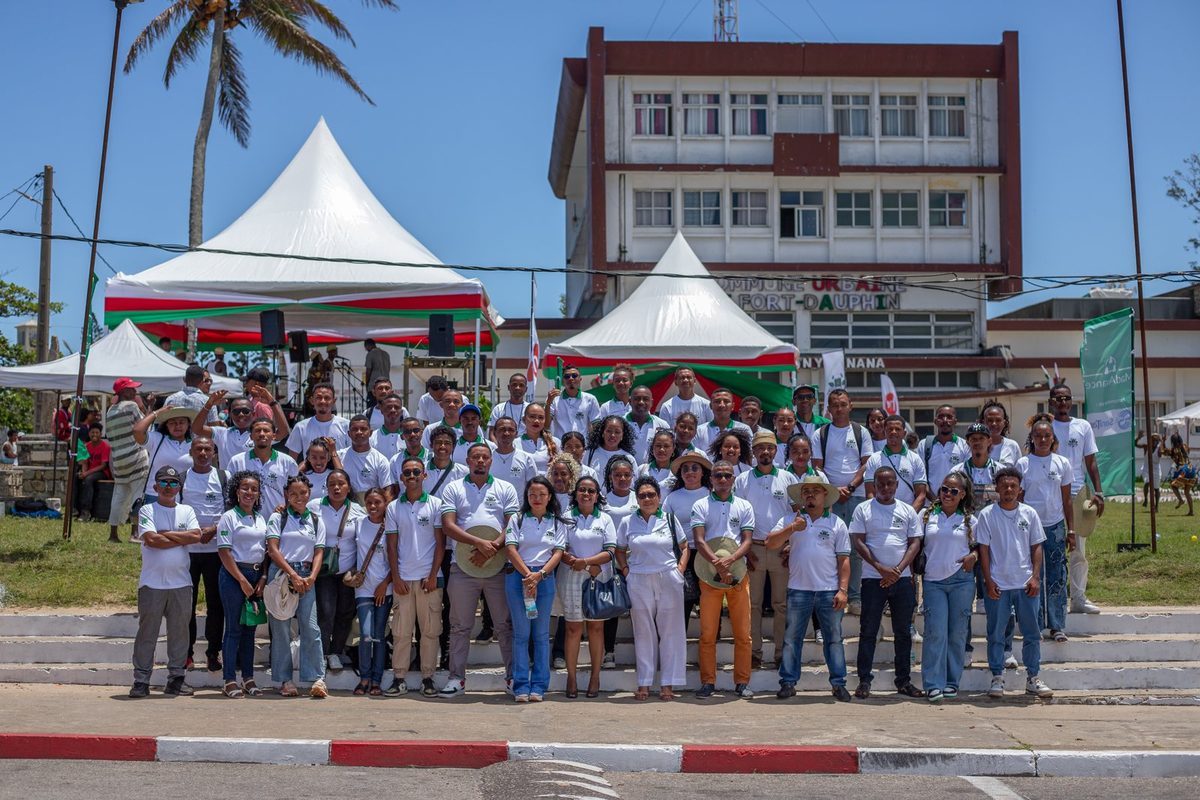
Stakeholder consultation is integral to SaniTap's project development process and a Gold Standard requirement. Community members, local authorities, and other stakeholders are consulted during project design to ensure activities reflect local needs and priorities. Consultation is a process, not a single event, SaniTap maintains open channels for ongoing feedback and grievance mechanisms throughout the project lifecycle.



The methodology, health science and impact of improved cooking
TPDDTEC v4.0, how improved cookstove credits are calculated
Gold Standard's TPDDTEC methodology is the foundational instrument for high-integrity clean-cookstove carbon credits. A technical walk-through of the version...
15 MIN READ Health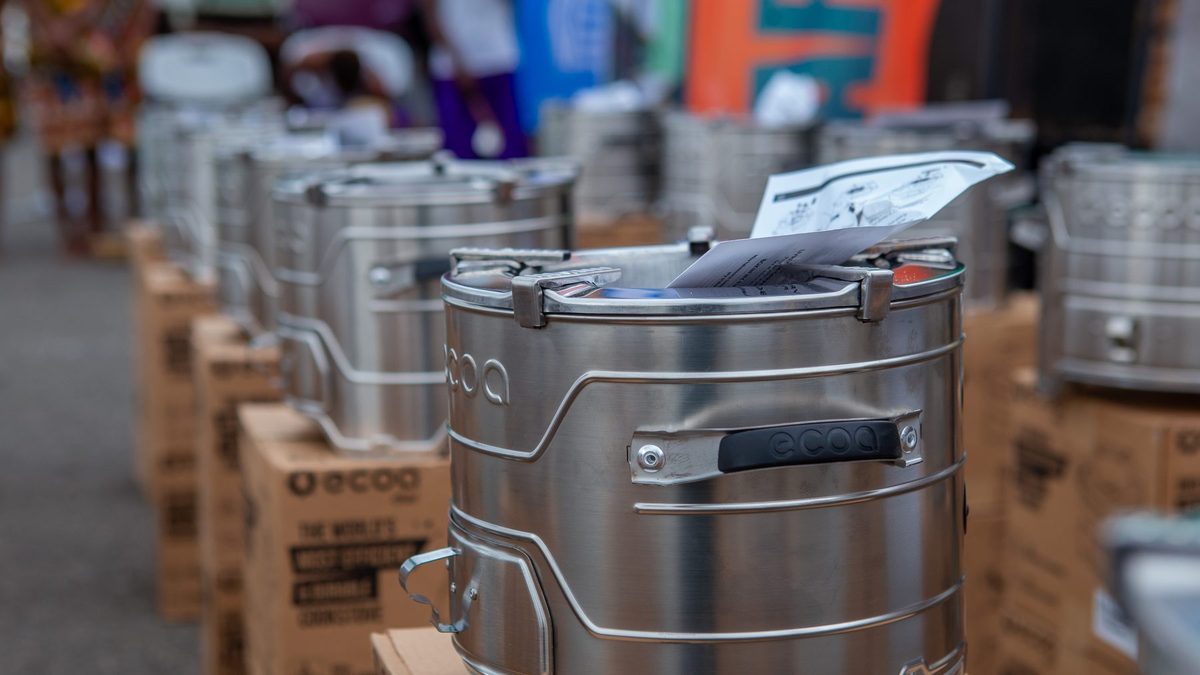
Indoor air pollution, the health toll of biomass cooking, and how SaniTap measures the reduction
Household air pollution from cooking on open fires and inefficient stoves kills 3.2 million people a year, including a quarter of a million children under five,...
13 MIN READ Gender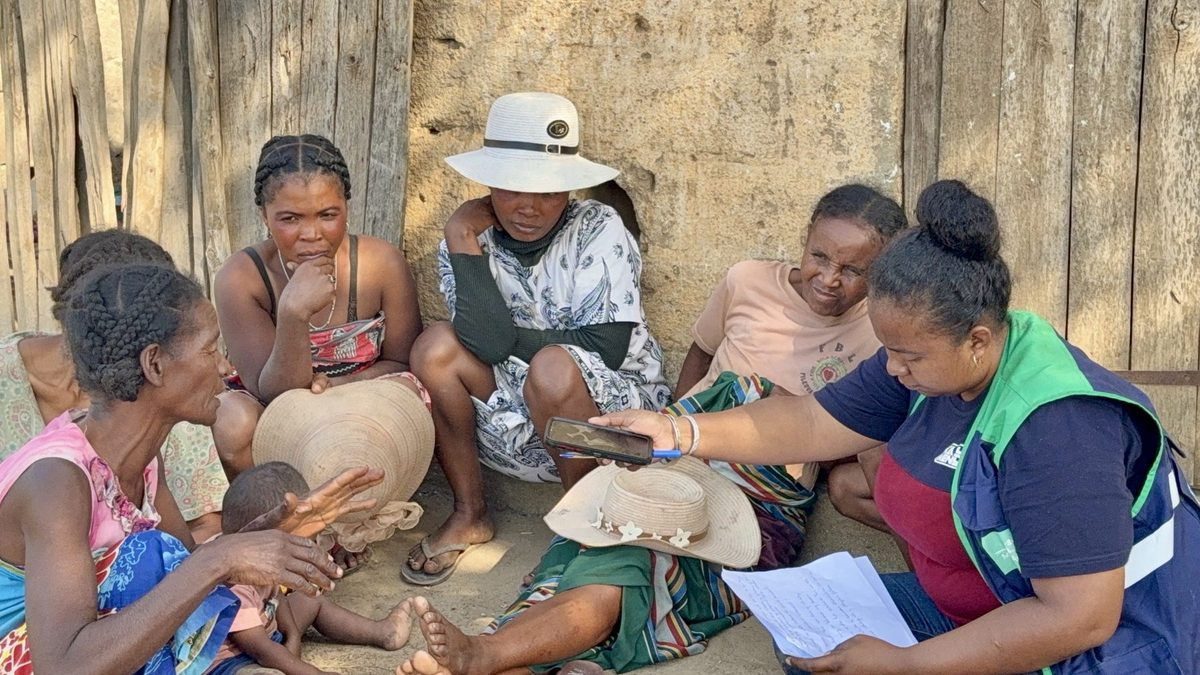
Gender-responsive, not gender-sensitive, what the difference is, and why SaniTap chose the harder standard
Gender-sensitive projects notice gender; gender-responsive projects act on it. The gap between the two is definable, and the higher standard changes what a...
11 MIN READ Climate mitigation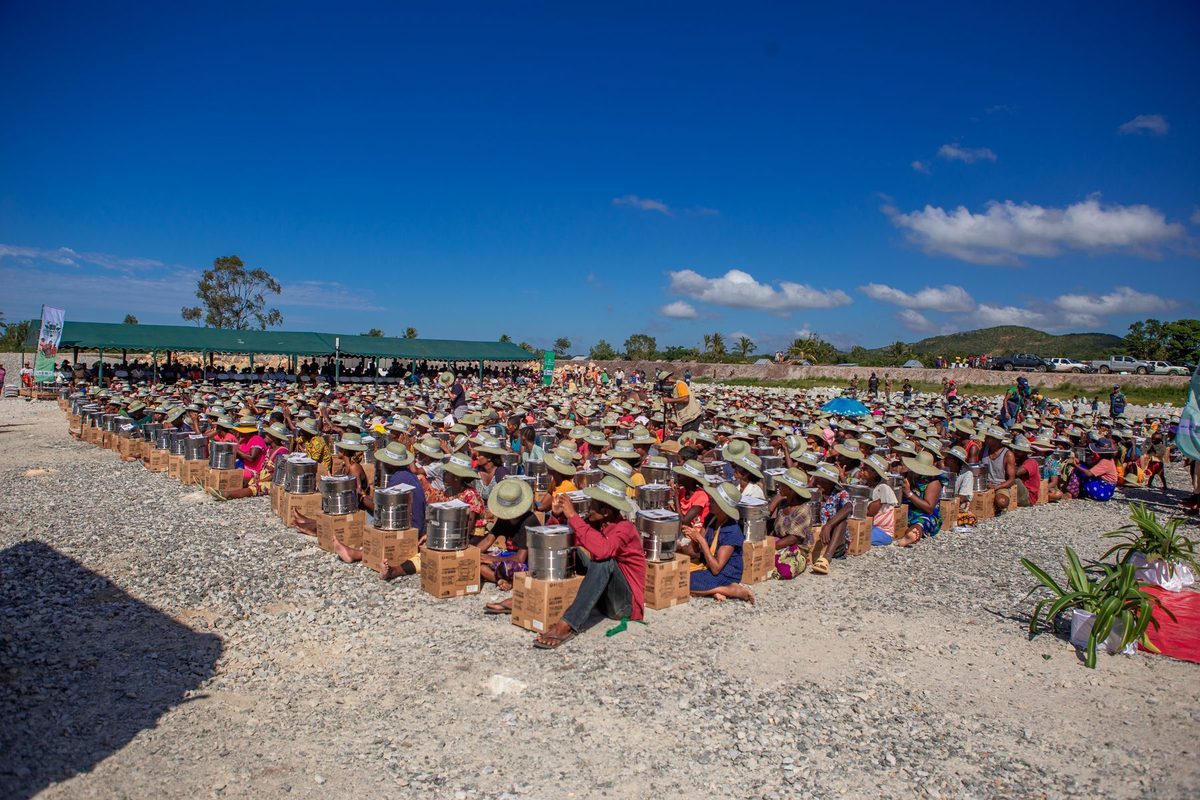
Two levers, one country, how improved cooking and safe water avoid emissions in Madagascar
SaniTap's mitigation portfolio combines improved cooking and safe drinking water in a single country. Both cut biomass combustion; together they cover the two...
10 MIN READEnergy is the golden thread that connects economic growth, increased social equity, and an environment that allows the world to thrive. — Kofi Annan, UN Secretary-General (1997–2006)
Buy improved cooking carbon credits.
Talk to our commercial team about volumes, vintages, and CORSIA-pathway timing.